Is Paraffin Wax Actually Toxic? An Honest Answer
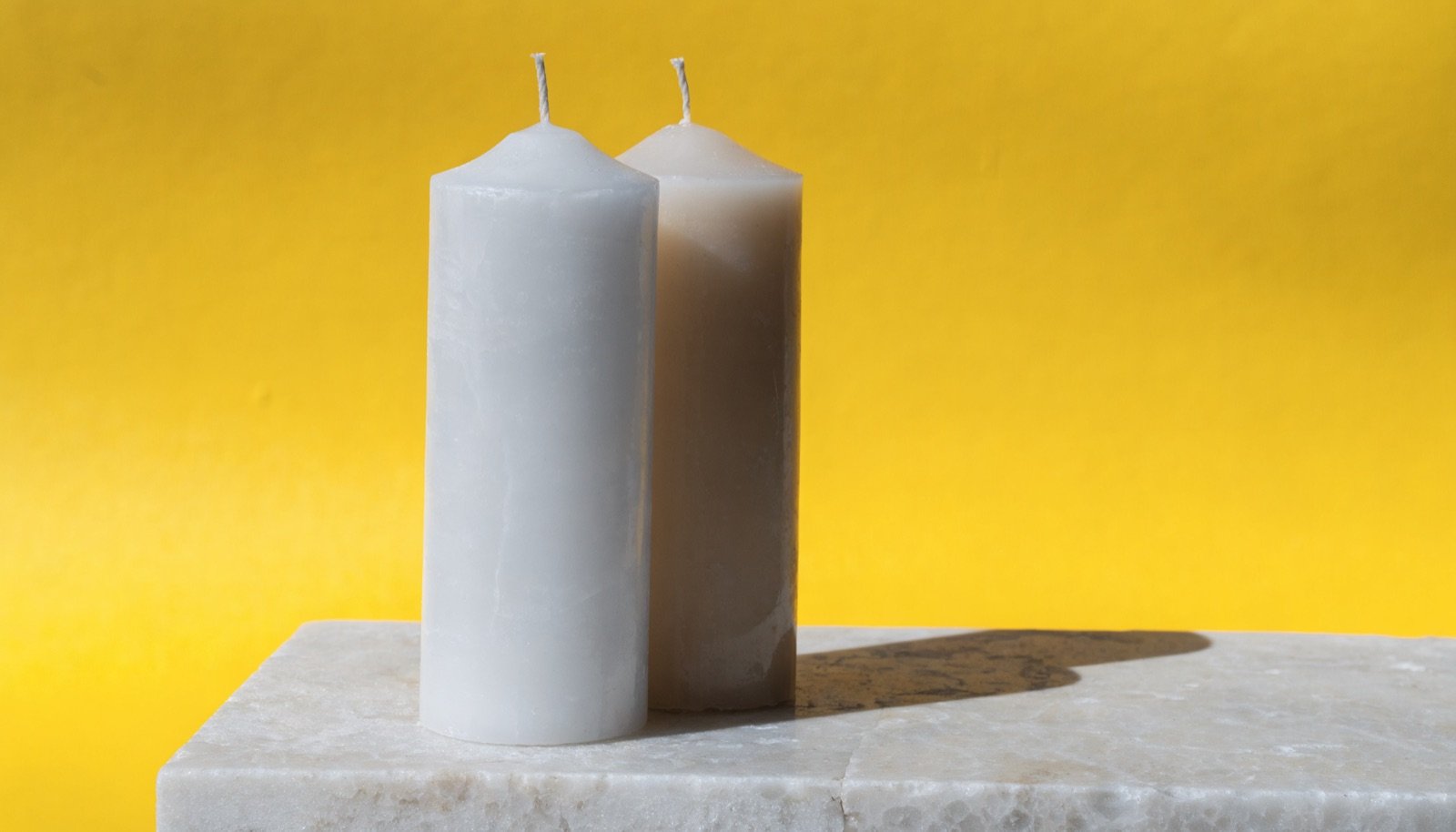
Search “are paraffin candles toxic” and you’ll find hundreds of pages telling you that burning one is like running a small diesel engine in your living room. Benzene. Toluene. Carcinogens.
Follow the citations, though, and a lot of them lead back to the same place: a 2009 study from South Carolina State University, presented at an American Chemical Society meeting.
We think the case for skipping paraffin is real. We also think it’s worth being straight about how strong the evidence is, because a claim that overstates its own certainty is exactly what we spend most of our time warning people about.
What the study found, and what it was
The South Carolina researchers burned candles in a sealed chamber and collected what came off. Paraffin candles emitted toluene, benzene, alkanes and alkenes. Soy candles emitted essentially none of those.
Two caveats matter and are usually dropped. It was presented at a conference rather than published as a peer-reviewed paper, which is a lower bar. And a sealed chamber is not a living room: it’s designed to concentrate emissions so instruments can detect them, which tells you what a candle releases but not what you end up breathing.
The counter-evidence has its own problem. The National Candle Association disputed the findings, pointing to research funded by the European Candle Association, and a study funded by an industry group is not the neutral referee you want either.
A 2014 assessment landed in the middle: paraffin candles do emit benzene and formaldehyde, at levels within the air-quality limits set by the World Health Organization.
So the honest summary is that paraffin releases things you’d rather not breathe, in quantities that normal use probably keeps below the thresholds regulators worry about. That’s less satisfying than “toxic,” and it’s closer to what anyone can actually support.
The better arguments
None of which makes paraffin the choice we’d make, because there are two reasons to skip it that don’t depend on the contested toxicology.
The first is what it is. Paraffin is a byproduct of refining crude oil. Buying it funds petroleum, and it’s a fossil material burned for pleasure in a room you sit in. That’s a values argument rather than a health one, and it stands on its own.
The second is the company it keeps. Cheap paraffin candles tend to come with the other things this category does badly: undisclosed synthetic fragrance, dyes, and wicks nobody will describe. The wax is often the least of it, which is the same reasoning behind the fragrance loophole in cleaning products.
And there’s a third point that cuts against the tidy paraffin-versus-soy framing entirely. How well a candle burns matters more than what it’s made of, and a poorly burning soy candle can put more particulate into a room than a well-behaved paraffin one.
What we’d actually tell a friend
Don’t panic about the paraffin candles you already own. Burning one occasionally in a ventilated room is not the health emergency the internet describes, and the evidence does not support treating it as one.
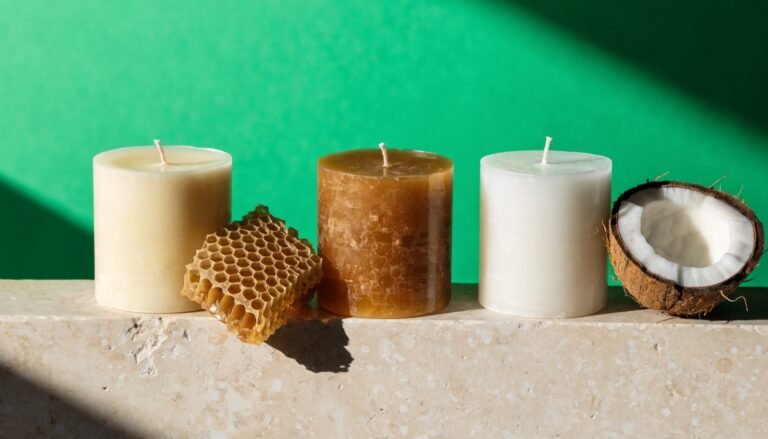
Do buy plant wax or beeswax next time. Not because paraffin will poison you, but because the alternatives skip the petroleum, tend to come from brands that disclose more, and burn with less soot when they’re made properly. Our roundup of the best non-toxic candles covers the ones we’d pick, and the wax comparison explains what you’re choosing between.
Frequently asked questions
Does paraffin wax release carcinogens?
Burning any organic material produces some combustion byproducts, and paraffin has been shown to release benzene and formaldehyde, both of which are classified carcinogens. The quantities measured in the studies available have generally fallen within WHO indoor air guidelines under normal use. The risk is not zero and it is not the emergency it’s often described as.
Are “soy blend” candles a reasonable compromise?
Usually not, because the label rarely tells you the ratio. A candle can be sold as a soy blend while being mostly paraffin with a little soy added, and there’s no requirement to specify. If a brand won’t state the percentage, treat it as paraffin.
Is paraffin worse for people with asthma?
Anyone with asthma or another respiratory condition is more sensitive to airborne particulates, and that applies to candle smoke of any wax. The fix that helps most is not switching wax but improving how and where you burn: shorter burns, a trimmed wick, and ventilation.
Why do so many articles call paraffin toxic then?
Because a single striking result travels much further than the caveats attached to it, and because a large number of the pages repeating it sell soy candles. That doesn’t make them wrong. It does mean the claim deserves the same scrutiny we’d apply to a brand’s own marketing.
Related reading
The rest of what’s in a candle: why burn quality beats wax type, soy versus beeswax versus coconut, and what’s inside the wick. For brands doing it properly, see the best non-toxic candles.